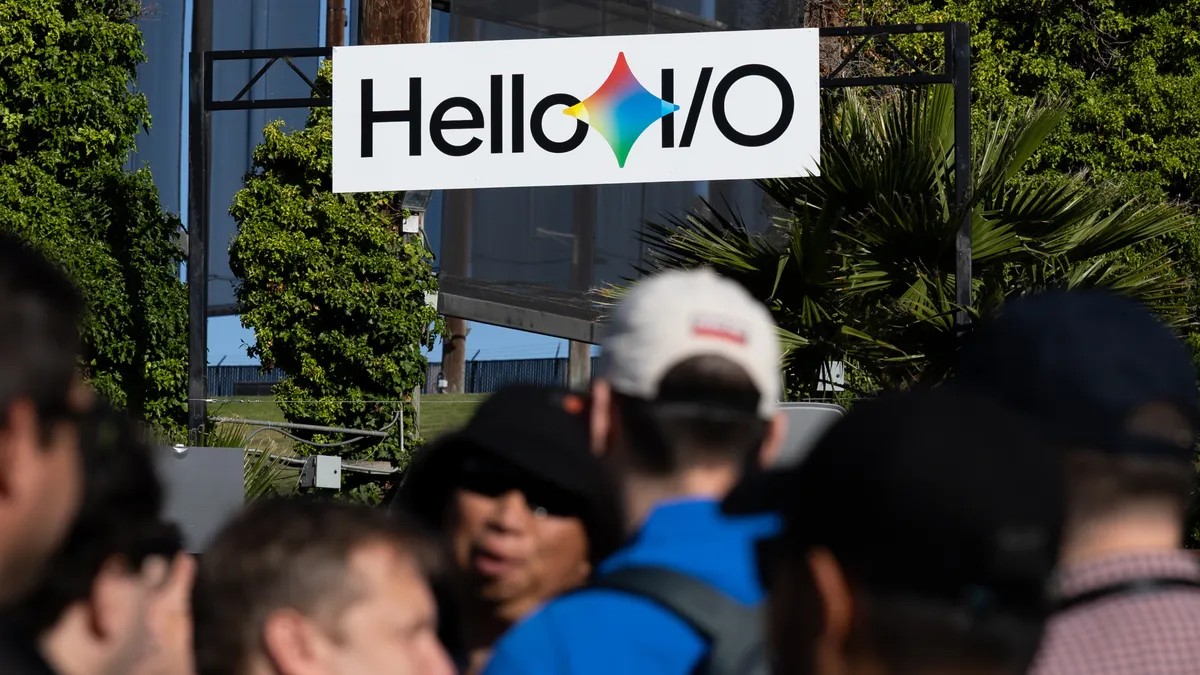
Mountain View went quiet then loud again Tuesday. Google’s annual developer hangout kicked off in California, packing a wall of announcements about new hardware, tools, and the ever-expanding reach of AI. My reporters were on the floor. They logged it all for the live blog, sifting through the noise to find signal.
Here is what actually landed.
Your AI does the chores
Gemini Spark. It sounds like a cleaning product. It isn’t. It’s a personal AI agent, and Google thinks it needs to run in the background 24/7. Think of it as the next step up from Claude Cowork or 365 Copilot. It doesn’t just chat. It works.
The agent scans your Google life. Gmail. Docs. Chat logs. It can compile weekly reports from scattered documents and email them to your team. It sends nudges to guests who forgot to RSVP. It handles the mental tax you usually ignore.
Testing starts now for beta users. Google AI Ultra subscribers in the States get a preview next week. Everyone else? Wait until later this summer when it hits Chrome.
“Offload the tasks. Let the agent drive.”
YouTube answers, not just suggests
You hate scrubbing through a 20-minute video to find one specific step. Google knows it. The new Ask YouTube feature turns search into a conversation. You ask a hyper-specific thing like how to change the oil on that specific Subaru from 2019. If the first guess is wrong, you follow up. The system refines the result. Better yet, it jumps to the exact second where the answer lies.
No more guessing which part is the good part.
Premium subscribers over 18 in the US can try it now. It expands soon enough for the rest.
The watermark grows teeth
Fake content is getting harder to spot. Google is fighting back by widening its net. SynthID was stuck inside the Gemini app since last year. Now it escapes into the wild. It lands in Chrome and Google Search.
You see a picture that looks weird. Right-click it. Use Circle to Search. Ask if any part of the image is AI-generated. The tool looks for the invisible SynthID watermark embedded by partners like OpenAI, ElevenLabs, and Nvidia.
It’s collaboration, mostly. Sundar Pichai called it the start of a transparency standard. He’s probably right. Or he’s just hoping everyone agrees with the standard they wrote.
Brain dump cleanup
Docs Live feels like cheating, which is exactly the point. You don’t have to craft sentences anymore. You just talk. You ramble. You type fragmented thoughts. Docs Live sits right there in your document, waiting. It takes that raw mess of voice notes and keystrokes and polishes them into coherent prose.
If you let it, it digs deeper. It checks your Gmail. Your Drive. Even the open web. It stitches everything together into a final draft that doesn’t look like it came from a stress ball.
It arrives this summer for Google AI subscribers, but the free ride ends before it begins. This feature stays behind the paywall, locked for Pro ($20) and Ultra ($100/$200) tiers only.
Glasses that might work this time
So many frames. Google rolled out a whole collection of smart glasses this year. Scott Stein from CNET tried them on and off. He liked them. Actually liked them.
“They could be the best,” he said. “And maybe the first that actually work with our phone apps.”
That’s high praise coming from a skeptic. But then there is the camera on your face.
Privacy isn’t solved. Shahram Izadi, Google’s XR head, admits the company is still figuring it out. More details are promised in the fall. For now, they have an LED light that turns on when the lens sees something. It’s a small compromise, barely enough to comfort people who dislike being filmed in the grocery store.
“You have to design privacy in from the very beginning,” Izadi argued. He wants to raise the bar.
We’ll see if the bar stays raised. Or if we just learn to live with the light.