


Willpower is a leaky bucket. Screen-time trackers know this. They send reminders. They set timers. But when the dopamine hit hits hard, you swipe the notification away. You ignore the alert. The habit returns, stronger than before.
Autonomous Key changes the game by adding friction. Literally.
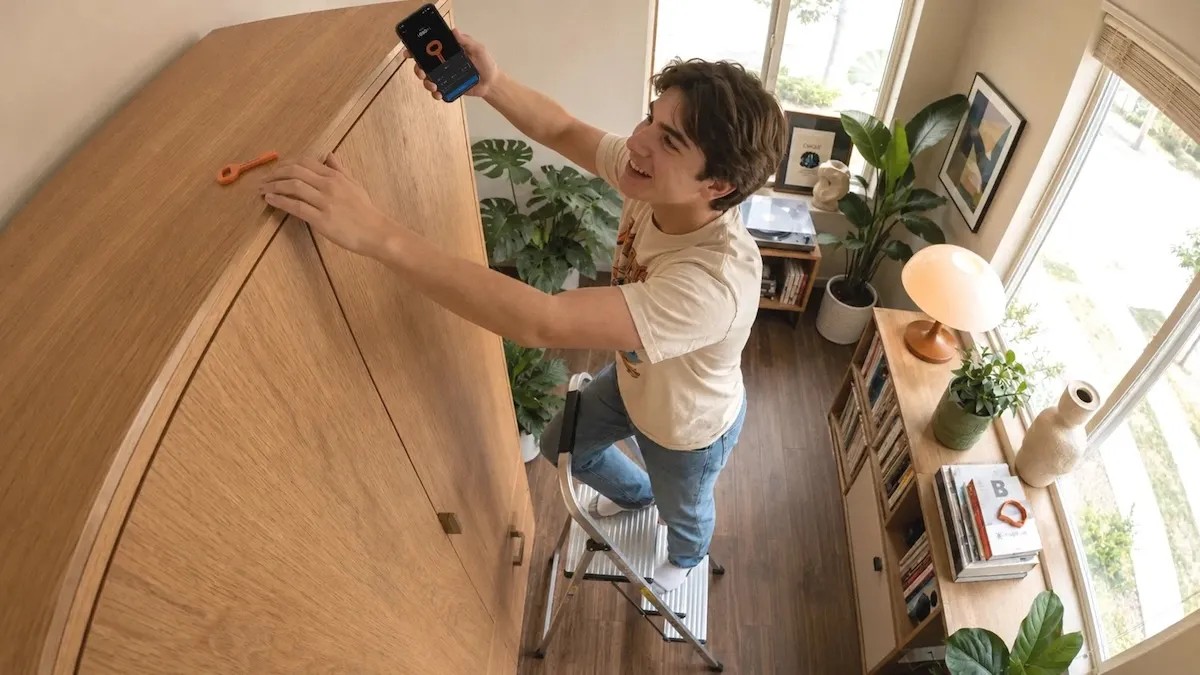
It is a physical NFC key. A tiny plastic fob that costs nine dollars. It pairs with a mobile app. But here is the catch: you cannot bypass the lock with a tap. You must physically find the key. Scan it against your phone. Only then do you regain access to your addictive apps.
Each session lasts up to 60 minutes. After that, the block re-engages automatically.
Why physical distance beats digital willpower
The brilliance lies in the effort required to unlock.
If you keep the key in another room, you cannot mindlessly check Instagram. You have to get up. You have to walk. You have to make a conscious decision to retrieve the fob. This transforms an impulse into a choice. It breaks the loop of reflexive scrolling.
You can leave it at the office. Or the gym. Or, preferably, the bedroom nightstand.
For $9, Autonomous Key undercuts every major competitor.
Look at Blok. It runs $29. Unpluq is $26.50. Brick demands $59. The market is crowded with premium solutions. Autonomous Key offers the core functionality for a fraction of the cost.
Does it have every feature? No.
Brick offers Sleep Mode. It blocks in-app purchases. If you need those specific guardrails, you might look elsewhere. But for sheer, blunt-force distraction blocking? This fob works. And it is cheap enough to buy two.
What devices and specs matter
The hardware is small. About three inches long. Easy to lose, which leads to the next problem.
Compatibility is solid for modern devices.
- Android 8.0 or later.
- iPhone with iOS 15 or later.
Older phones are out. If you are running Android 6, you are stuck with willpower.
The companion app is not just a lock switch. It uses AI to analyze your habits. It tracks unlock frequency. It measures session length. It identifies your weak points—the 3 PM slump, the 11 PM doom-scrolling.
The personality of the AI is deliberately sassy.
“The key clearly wasn’t far enough away. Try putting it somewhere less convenient.”
If you unlock your phone five minutes after locking it, the app tells you off. It calls you out. It suggests you move the key to a drawer. Or a different zip code. It works because it feels personal. Not like a robot, but like a nagging friend.
The catch: Beta glitches and lost keys
The NFC scan is not always instant.
During testing, registration required multiple attempts. The connection dropped. The phone missed the signal. It is finicky.
Because of this, do not use it for critical apps.
You need reliable access to email? Keep the lock off. You rely on messaging for work? Be careful. If the scan fails when your boss texts, you are in trouble. This tool is for distraction, not communication.
What if you lose the fob?
This is a genuine risk. You cannot access your apps without the physical key. The current workaround is brutal: uninstall and reinstall the companion app. Yes. You have to delete the app to break the lock. Then you set it up again.
If your apps are already unlocked? You can remove the key from the account via the app interface. But if they are locked? You are fighting the app itself.
The company promises a backup unlock method in a future update. Until then, you are trusting a piece of plastic not to vanish.
Is it worth the buy?
Autonomous Key launched from a Kickstarter campaign. It is currently in beta. Shipping started earlier this month.
Five colors available. Pink. Orange. Blue. Gray. Brown. Pick one that blends in with your desk. Or one that screams “focus.”
There are no subscriptions. No monthly fees. No premium tiers holding features hostage. One key can pair with multiple phones. Great for families. Great for couples who both struggle with TikTok.
But it is not perfect. The scan reliability needs work. The lack of a backup key system is a vulnerability.
Still, the price point is hard to ignore. For less than the cost of a lunch, you get a physical barrier against your own worst habits.
You keep the key on the counter. You want to check social media. You have to walk over to the counter. You have to pick up the key. You have to scan it.
Maybe, just maybe, you decide you don’t want it after all.
Or maybe you keep the key in the other room. And read a book instead.
For now.


