



Microsoft is a software company. That’s the textbook definition. They write code, package it, and sell licenses for use on personal computers.
It’s accurate. It’s also boring and misses the point entirely.
This description ignores the sheer scale of the beast. It doesn’t mention that Microsoft products are running on nearly every computer on the planet. It misses the fact that the company hasn’t hit its peak yet. Microsoft is the defining symbol of the information age—both the brilliant parts and the frustrating ones.
You might curse the “evil empire” when your system crashes or when you’re forced to pay for another mandatory upgrade. Yet, for all the gripes, no one beats Microsoft at powering IT infrastructure. Through a mix of cunning, innovation, and sheer stubbornness, Bill Gates’ company has dictated how we interact with machines since the first IBM PC launched in 1981. That machine shipped with Microsoft’s MS-DOS buried in its guts.
So Microsoft rules. But what does that actually mean in practice? How does a corporation hold such a stranglehold on global technology? And why does their corporate culture matter to the average user?
We’re going to dig into Microsoft’s history. We’ll look at how they compete in a saturated market. We’ll examine the internal culture that fuels their success. And finally, we’ll break down their product lines to see exactly how their core advantages trickle down to your desktop.
The Rise of Microsoft
The story starts in Albuquerque, New Mexico, in 1975. Two kids, Bill Gates and Paul Allen, saw a future that most people were still skeptical about: a computer on every desk.
They founded Microsoft to provide software for these emerging machines. Back then, hardware companies often wrote the code themselves. Gates realized there was money to be made by decoupling the operating system from the hardware. This was a radical idea. It meant software could be sold to multiple hardware manufacturers, creating a scalable market.
IBM came calling. They needed an operating system for their new personal computer. Microsoft didn’t have one ready to go, so they bought QDOS (Quick and Dirty Operating System) from a small Seattle company for $50,000. They modified it, rebranded it as MS-DOS, and licensed it to IBM.
Here’s the twist: Microsoft retained the rights to sell MS-DOS to other computer makers. This single decision changed everything. When other manufacturers started building IBM-compatible PCs, they all needed MS-DOS. Suddenly, Microsoft wasn’t just a small software shop. They were the backbone of the PC industry.
This wasn’t just luck. It was a strategic move that established the “Wintel” alliance—Windows and Intel—dominance. By controlling the platform, Microsoft controlled the ecosystem. Developers wrote software for Windows because that’s where the users were. Users bought Windows because that’s where the software was.
It’s a self-reinforcing loop that has held firm for decades. While competitors have come and gone, Microsoft’s grip on the business world remains unshaken. Their products are ingrained in corporate workflows, government systems, and home offices alike.
“Microsoft defined how we use computers since the first IBM PC rolled out in 1981.”
This dominance wasn’t just about technical superiority. It was about timing


A GUI Opportunity
The shift from command-line prompts to visual interfaces wasn’t just a cosmetic upgrade. It was a strategic pivot that cemented Microsoft’s dominance. While Apple had been experimenting with graphical user interfaces (GUI) in the late 1970s, the technology remained too fragile and expensive for the masses. Microsoft saw the gap. They knew that if they could build a stable, affordable GUI, they could lock users into their ecosystem even tighter than DOS had.
Why Microsoft Chose Windows Over IBM
IBM and Microsoft had a complex relationship. Initially, IBM wanted exclusive control over the operating system. Gates refused. This disagreement laid the groundwork for the eventual split. Microsoft needed an OS that could run on multiple hardware platforms, not just IBM’s. A GUI-based system offered that flexibility. It allowed developers to write software once and run it on various PCs, provided they had the Microsoft runtime. This was the opposite of IBM’s closed-door policy.
The Birth of Windows 1.0
Windows 1.0 launched in 1985. It was clumsy. It required a mouse, which was still a novelty for many. The interface was tiled, not overlapping. Critics mocked it. Sales were modest. But it was a proof of concept. It showed that people liked pointing and clicking. It showed that Microsoft could deliver a software-only solution that enhanced the hardware experience. This was the model: sell the tool that made the machine useful.
Breaking Away from Hardware Constraints
By focusing on software, Microsoft avoided the pitfalls of hardware manufacturing. Hardware margins shrink. Technology obsolescence accelerates. Software, once written, can be updated, sold, and licensed repeatedly. This was the core insight. Gates understood that the value was in the code, not the silicon. Apple, by contrast, integrated hardware and software. This gave them quality control but limited their market share. Microsoft’s open approach allowed PC clones to flourish. Each clone sold a copy of Windows. The more PCs sold, the more Windows licenses moved. It was a virtuous cycle for Microsoft, a vicious one for competitors who couldn’t match the scale.
How Windows Changed User Expectations
Users didn’t just get a new way to navigate files. They got a new relationship with computers. The command line was intimidating. The GUI was intuitive. It lowered the barrier to entry. Suddenly, businesses, schools, and homes could adopt PCs without a team of programmers. This expanded the market exponentially. Microsoft’s software became the default. It became the standard. And with standardization comes power. Power to set prices. Power to dictate terms. Power to outlast competitors who focused on hardware innovation over software ubiquity.
The Strategic Implications of Licensing
Licensing Windows to multiple OEMs (Original Equipment Manufacturers) was key. It meant that every PC box had a “Microsoft Inside” sticker. This branding was omnipresent. It created a perception of inevitability. Why buy a PC without Windows? It was like buying a car without an engine. The ecosystem grew. Developers prioritized Windows because that was where the users were. More users meant more development. More development meant better software. Better software meant more users. The loop closed. And it was incredibly difficult to break.
Why This Matters Today
The early decisions made by Gates and Allen echo in today’s tech landscape. The focus on software ecosystems over hardware specs. The importance of licensing models. The power of being the gatekeeper. Understanding this history helps explain why certain platforms dominate. It explains the resistance to change in enterprise environments. It explains why open-source alternatives often struggle to gain traction against entrenched commercial software. The roots of the current cloud-based, subscription-driven model lie in these early licensing deals. Microsoft learned to monetize access, not just products. This mindset shaped the modern software industry.
Looking Ahead
The story doesn’t end with Windows 1.0. The competition heated up. Netscape arrived. The internet changed everything. Microsoft had to adapt again. But the foundation was solid. They had the users. They had the platform. They had the leverage. The next phase would test their ability to innovate beyond the desktop. But for now, the machine was working exactly as Gates had predicted. The clones were multiplying. The licenses were flowing. And Microsoft was sitting on the throne, not because they built the best hardware, but because they controlled the software that made the hardware meaningful.

The Macintosh arrived in 1984 with a graphical user interface that actually made sense to humans. It was the first commercially successful PC to ditch the command line for icons and windows. We still use that basic logic today. Bill Gates didn’t just see a pretty screen. He saw an existential threat and a massive opening.
The GUI could pull computing out of the hobbyist basement and into every office. That would have killed the IBM clone market. And if IBM died, Microsoft’s contract-based survival model died with it. But it was also a chance. Gates realized he could use the Mac’s innovation to help Microsoft crush IBM.
The OS2 Split and the Birth of Windows
Microsoft and IBM had been working together on OS/2. IBM wanted a proprietary operating system that hardware clones couldn’t copy. They needed a moat. Microsoft agreed, playing the loyal partner. But the goals were misaligned. IBM wanted to lock down the ecosystem. Microsoft wanted to exploit IBM’s market share to build its own empire.
The partnership fractured. Microsoft was left standing alone.
If Microsoft could build a GUI to run on top of DOS, they could democratize the Mac experience without the Mac’s hardware. Windows wasn’t just software. It was a business weapon. Suddenly, an expensive, clunky IBM PC became a sleek, user-friendly machine for a fraction of the cost. It was a revolution disguised as a patch.
The Browser Wars and the Internet Threat
Just as Windows 95 launched, Netscape went public. The internet was waking up. It was an open network built by idealists who wanted to give their code away for free. Microsoft needed to figure out how to monetize a web that didn’t respect firewalls or licensing agreements.
The answer was simple. Give it away.
Microsoft bundled Internet Explorer with Windows. The “browser wars” were brutal but short. Netscape couldn’t compete with free. Internet Explorer won by default, not by design. The internet was tamed.
Cash, Culture, and the Microsoft Advantage
By 2005, Microsoft had nearly $38 billion in cash and short-term investments. Most companies hoard cash to defend their turf. Microsoft used it to attack. They could pivot instantly. They had the capital to out-last giants like IBM and out-spend startups like Netscape.
Software development is different from building planes or skyscrapers. There are no supply chains. No concrete. No steel. Just code. As long as you have the talent and the idea, you can produce. Microsoft had both.
But the real secret was the organization. Gates never let the company grow too comfortable. He replicated the frantic energy of the early days. Teams were understaffed by design. Managers would calculate the ideal headcount and then cut it. The result? Immediate scrambles. High stress. High output.
Hiring was equally intense. Microsoft looked for high-energy problem solvers who could work 72-hour stretches. They didn’t just interview; they tested. Candidates faced riddles. It was a filter for a specific type of mind—one that thrived on improvisation and pressure.
Philanthropy and Future Segments
Gates isn’t just sitting on the cash. In 2000, he and Melinda started the Bill & Melinda Gates Foundation. They’re focused on global health equity, education, and libraries. Recently, they pledged $258 million to fight malaria in developing nations.
It’s a different kind of dominance. One that doesn’t require a license key.
Microsoft’s Product Segments
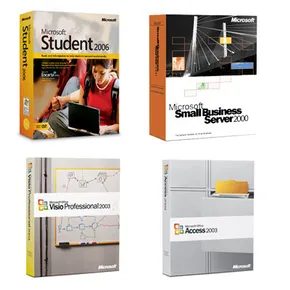

The corporate structure isn’t just internal paperwork. It’s a map of where the money actually comes from. Microsoft breaks its empire down into seven distinct “Business Units.” These aren’t vague categories. They are specific revenue engines, each with a defined mandate.
Client
This is the familiar face of the company. It covers the Windows operating system. The goal here is simple: integration. They bundle applications, services, and hardware into a single package. The promise is ease of use. Confidence for the end-user. Whether you’re a home gamer or an enterprise IT manager, this segment is the foundation.
Server and Tools
If Client is the front door, this is the basement. It handles the heavy lifting. Windows Server System products live here. These are the operating systems that keep corporate data centers running. They don’t get the flashy marketing. But without them, the rest of the digital world stops.
Information Worker
This segment is about productivity. It delivers the software that turns raw data into business impact. Think of the tools that help employees collaborate, manage documents, and communicate. It’s the glue that holds the modern office together.
Microsoft Business Solutions
This is the back-office engine. It targets financial management, customer relationships, and supply chains. The scope is broad. It serves small businesses up to the largest global enterprises. It’s less about the individual user and more about the corporate ledger.
MSN
Online services. This is Microsoft’s attempt to be a destination, not just a tool. The mandate is connection. Bring users closer to the people and information they care about. It’s a play for attention in a crowded digital landscape.
Mobile and Embedded Devices
This is where the Windows platform bleeds out of the desktop. It covers mobile devices with voice, personal information management, and media capabilities. It also includes a wide variety of embedded systems. The goal is to extend the Windows ecosystem into pockets, wrists, and cars.
Home and Entertainment
This segment is a hybrid beast. It handles the Xbox. Hardware. Third-party games. First-party titles. Xbox Live operations. It also manages the Home Products Division. But there’s a twist. It handles retail sales for Office and Windows. It earns an inter-segment commission for that. It also deploys TV platform products for the interactive television industry. It’s a marketing and distribution powerhouse disguised as a content creator.
The Windows Advantage
Microsoft is a long way from the DOS days. Windows is still the biggest seller. It gives the company an edge in nearly every other segment.
Why does this matter? Because Windows is on the majority of PCs. It’s the default. That dominance creates a marketing shortcut. When Microsoft launches a new product, it doesn’t need to start from zero. It can bundle it into an update. It can put it on the Internet Explorer homepage. Users see it before they hear about competitors. It’s not always fair competition. But it is effective.
The Monopoly Question
This dominance sparked a fire. In the 1990s, Microsoft’s tactics were labeled “anti-competitive.” The tech industry watched closely. The government stepped in.
In 2000, a federal court ordered Microsoft to break up. It was compared to Standard Oil and AT&T. The hope was that federal power could level the playing field for smaller rivals. The internet was young. The future was uncertain.
Then the appeals court overturned the judgment. The breakup order vanished. The momentum shifted back to Redmond. The lesson was clear. Scale protects itself.
Why This Structure Matters Now
You might think these segments are static. They aren’t. They evolve with the market. The shift from desktop to cloud changed how these units interact. But the core logic remains. Windows funds the experiments. Xbox tests the boundaries of entertainment. Server tools keep the enterprise stable.
The question isn’t whether Microsoft dominates. It’s how that dominance shapes what you use every day. When a feature appears in Windows, it often becomes the standard. Even if it’s not the best. Especially because it’s there.
“Because Windows is on the majority of PCs in one form or another, Microsoft has an advantage when it seeks to market new products.”
This isn’t history. It’s current strategy. The segments are still there. The commission structures are still complex. The advantage is still real.
What happens when the desktop is no longer the center? Microsoft is betting on the cloud. But the legacy of these segments is hard to shake. The infrastructure is built on top of Windows. The revenue streams are tied to it. Breaking that cycle requires more than just a new product. It requires a fundamental shift in how value is delivered.
We’re watching that shift happen. Slowly. Unevenly. But it’s happening. The monopoly isn’t gone. It’s just changing shape. And the business units are the blueprint for that change.


