


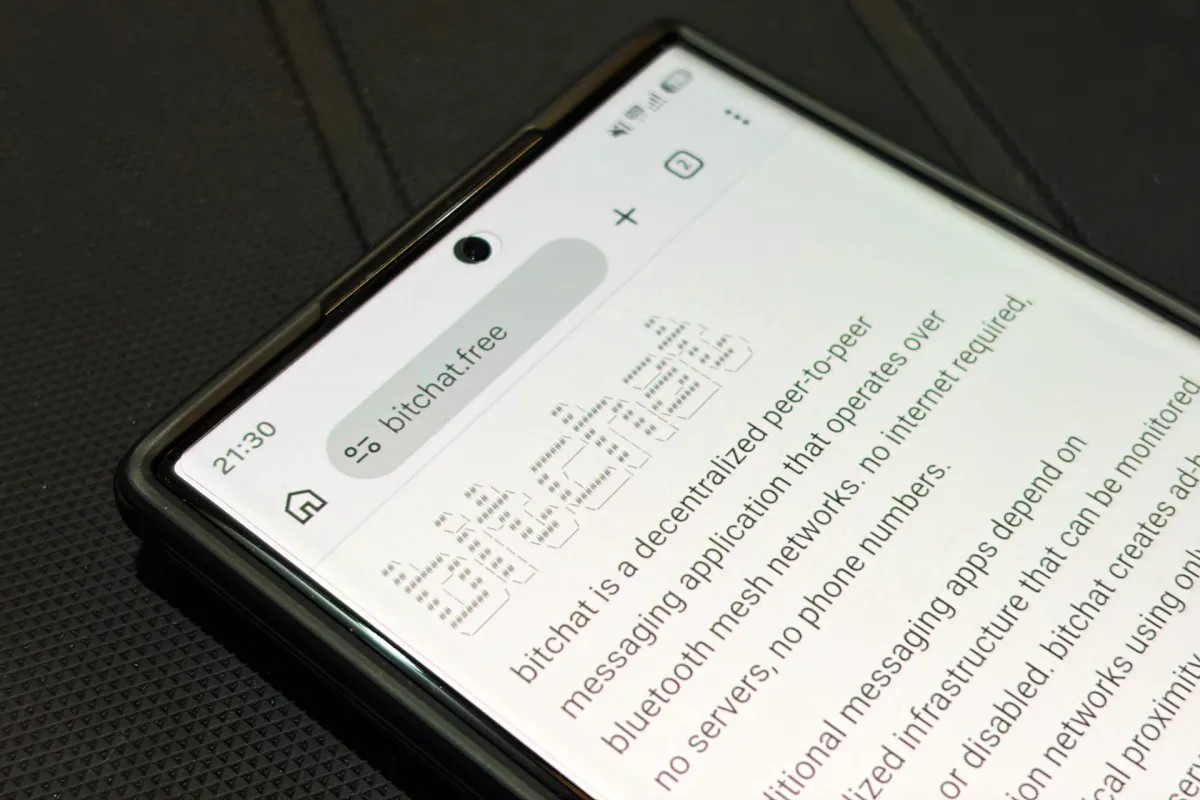
Jack Dorsey posted a screenshot on X Friday. It showed a notice from India’s Ministry of Home affairs. They wanted GitHub to pull three Bitchat repositories. Three hours to comply.
The request wasn’t about a specific illegal post. No bad actor. No stolen data. The government argued the app’s architecture was the problem. Anonymous. Decentralized. It works offline via Bluetooth. This means users can chat during internet shutdowns. And that, apparently, makes lawful interception impossible.
Why is this happening now?
Student protests in New Delhi have been raging for weeks. They call themselves the “cockroach” movement. They want Education Minister Dharmendra Pradhan out over exam paper leaks. The government has clamped down. Marches to parliament are blocked. Internet services suspended in hotspots.
Protesters downloaded Bitchat. They also grabbed Briar. Offline messaging doesn’t need the net. It just needs you to be close to another phone.
The Legal Basis for Removing Open Source Software
This isn’t how India usually handles takedowns.
Before 2021, authorities leaned on Section 69A of the Information Technology Act. Or the 2009 Blocking rules. You point to a URL. You say it has illegal content. They remove it.
This notice is different.
Mishi Choudhary runs SFLC.in, a digital rights group in India. She told TechCrunch the legal provisions cited don’t actually authorize removing an entire software project because of how it works. There is no specific unlawful material named in the document. Just the potential for circumvention.
The notice came from the Indian Cybercrime Coordination Center (I4C). Dated July 23. It claims Bitchat lets users “circumvent lawful restrictions.” It hampers “lawful interception, attribution, and traceably.”
Basically. They can’t see you. So they want to erase the code that lets you hide.
“When we receive a complete government takedown request… We share every government takedown request we take action publicly.” – Rose Coogan, GitHub
GitHub didn’t confirm they got the letter. The repos were still up in India on Friday. A check of their public takedown dashboard shows nothing recent for Bitchat.
Why Targeting Bitchat Fails Its Own Logic
The Internet Freedom Foundation (IFF) in Delhi wasn’t having it. They pointed out a flaw in the government’s plan.
Deleting a repository doesn’t delete the app from phones already carrying it. It’s a mesh network. It runs without servers. If you have the file, you have the tool. Removing the code from GitHub only stops people from scrutinizing it. It stops transparency.
Raman Chima from the Association for Progressive Communications saw it bigger. This isn’t just about stopping one service. It’s a threat to open-source development itself. They are saying this kind of code shouldn’t exist on public platforms.
Is that the line we want to draw?
Bitchat is exploding in India right now. Sensor Tower data shows India accounted for 85% of global downloads between July 17 and 23. Before that? 1%.
Downloads jumped 32-fold on July 19. Over 91,000 installs in five days. Daily active users hit 330,000. That’s a record.
Namrata Maheshwari from Access Now warned against turning shutdowns into communication blackouts. It violates fundamental rights. Private coordination is part of a democracy. Blocking offline tools doesn’t stop the protest. It just isolates the protesters.
India’s Home Ministry didn’t respond to requests for comment. The app still works. The code is still there. The debate, however, has just begun.


